
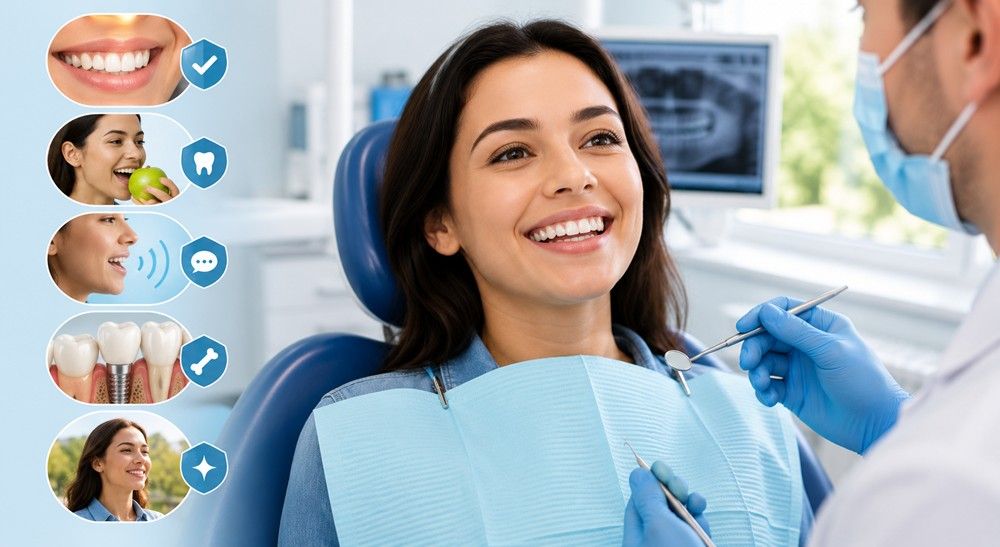
What you should know about restorative dentistry and oral health? You may visit a dental clinic near you if you have damaged, weak, or missing teeth. If tooth decay and other dental problems are not treated early, they can become worse and make everyday activities more difficult.
Restorative dentistry restores damaged teeth, replaces missing teeth, and improves oral functions. These services promote good oral hygiene and lead to a stronger and healthier smile.
What Does Restorative Dentistry Include?
If you need restorative dentistry near you, the treatment is meant to strengthen and comfort your teeth. It also helps in improving the function of your teeth. These treatments replace or restore damaged teeth based on your dental needs and overall oral health.
Common methods used for restoration include.
- Cavities require dental fillings.
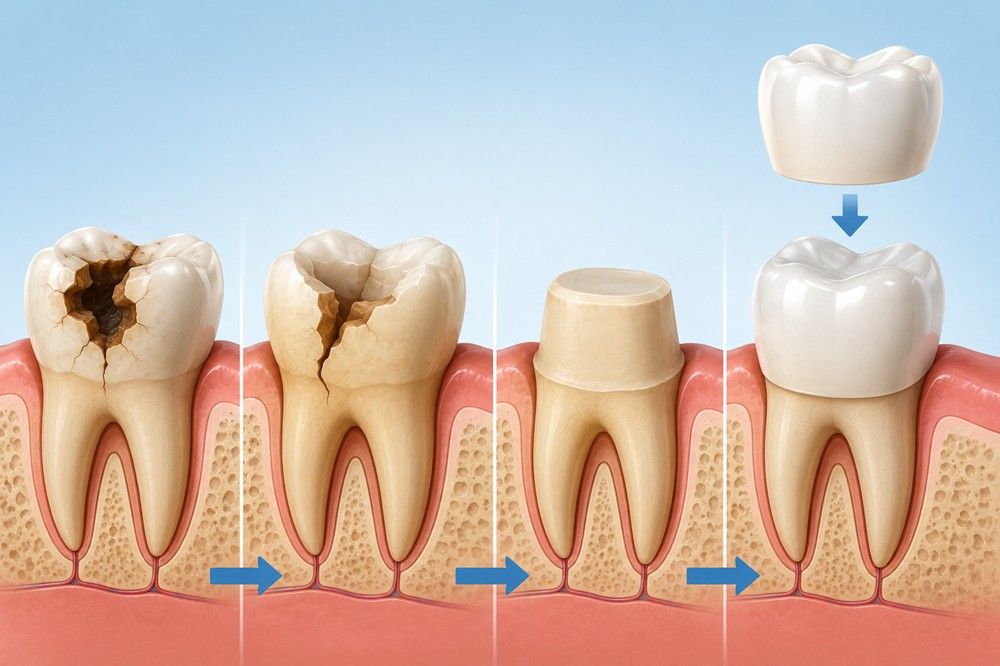
- Caps on weak or broken teeth.
- Structures to fill the spaces of the lost teeth.
- Dental implants are meant for prolonged tooth replacement.
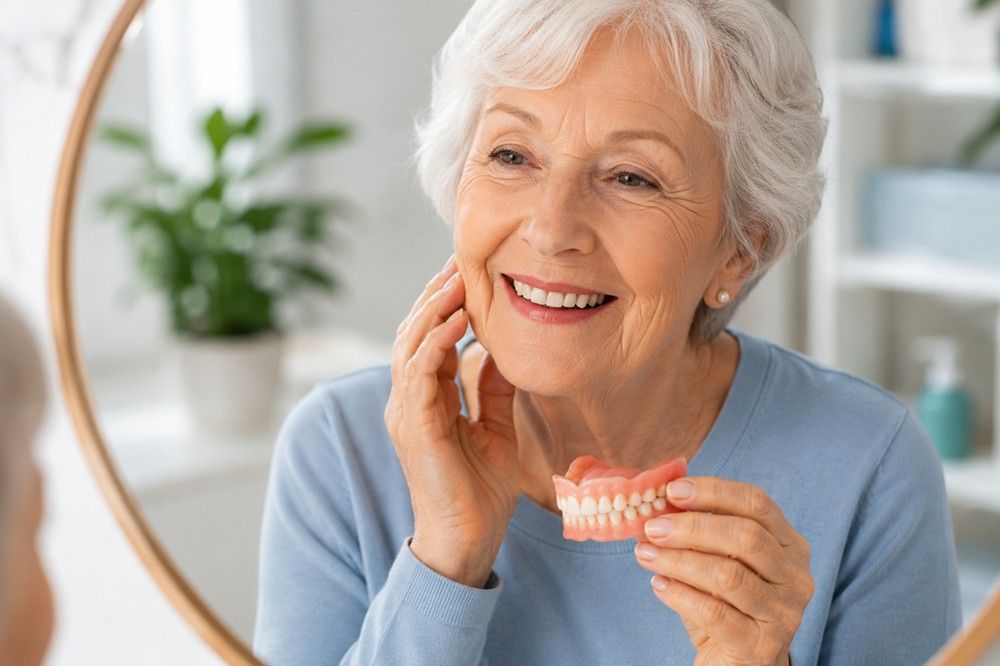
- Dentures for several missing teeth.
- Root canal treatment for infected teeth
Each treatment is planned carefully to restore comfort, function, and stability in the mouth.
How Restorative Dentistry Improves Daily Life
Damaged or missing teeth can affect many parts of everyday life. Some people may avoid certain foods because chewing feels uncomfortable, while others may feel self-conscious about smiling or speaking.
Restorative dentistry can help improve:
- Chewing comfort and strength
- Clear speech
- The appearance of your smile
- Bite balance
- Overall mouth function
When damaged or missing teeth are repaired properly, it becomes easier and more comfortable to eat, speak, and smile every day.
Why Early Treatment Matters
Dental problems can become more serious if left untreated. A small cavity can progress to major tooth damage, and missing teeth can slowly affect nearby teeth and the jaw’s support.
Early restorative treatment can help:
- Stop bigger dental problems from developing.
- Lower the risk of infection.
- Protect nearby teeth from extra pressure.
- Keep your bite properly balanced.
- Save more of your natural tooth structure.
Treating dental problems early often makes treatment easier and more comfortable.
How Restorative Dentistry Helps Protect Natural Teeth
One of the major goals of restorative dentistry is to protect healthy tooth structure whenever possible. Treatments are designed to strengthen damaged teeth and prevent additional wear or decay.
For example:
- Fillings fix small cavities before they become worse.
- Crowns cover and protect weak or damaged teeth.
- Root canal treatment helps save infected teeth instead of removing them.
Saving natural teeth whenever possible helps support better long-term oral health.
Benefits of Replacing Missing Teeth
Missing teeth can make it harder to chew, speak clearly, and eat comfortably. Over time, nearby teeth may shift, leading to bite problems.
Replacing missing teeth can help:
- Make chewing easier
- Improve speech
- Support the shape of your face.
- Keep nearby teeth from shifting.
- Improve smile appearance and confidence.
Replacing missing teeth also helps keep your jaw and mouth more stable and healthy.
Can Restorative Dentistry Improve Appearance?
Yes, restorative dentistry procedures can enhance the functioning and appearance of smiles. The goal of contemporary restoration materials is to appear natural.
Treatments may help improve:
- Tooth shape
- Tooth color
- Smile symmetry
- Visible cracks or damage
- Gaps caused by missing teeth
Many patients feel more comfortable smiling after damaged or missing teeth are restored.
Long-Term Benefits of Restorative Dentistry
Restorative dental care fixes current problems and helps prevent future ones while supporting long-term oral health.
Long-term benefits may include:
- Better bite support
- Reduced pressure on surrounding teeth
- Improved gum health
- Lower risk of future tooth loss
- Easier oral hygiene maintenance
Healthy, properly restored teeth make it easier to maintain a cleaner and healthier mouth over time.
Signs That Restorative Dentistry May Be Needed
Certain dental issues may have clear indications that you require treatment. This may worsen the problem over time if ignored.
Usual symptoms are.
- Tooth pain or sensitivity
- Cracked or broken teeth
- Trouble chewing food
- Missing teeth
- Worn-down teeth
- Large cavities
- Loose fillings or crowns
A dental checkup can help determine the right treatment for your teeth.
How to Care for Restored Teeth
Maintaining good oral hygiene helps restorative dental work last longer and remain in better condition. Those restored teeth will still need to be cared for every day.
Helpful care habits include:
- Brush your teeth twice a day.
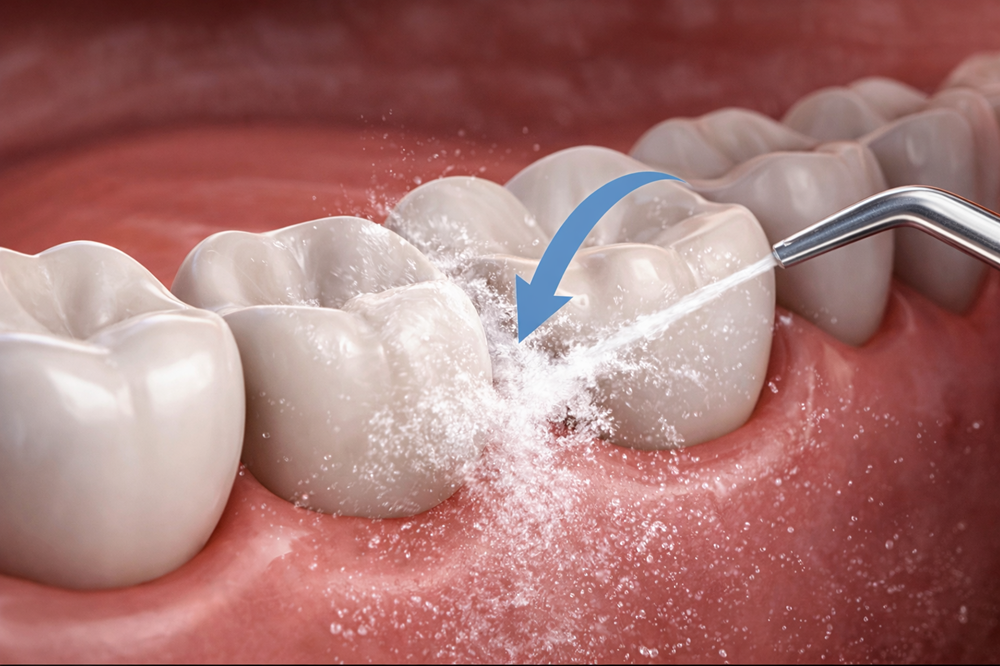
- Floss daily.
- Don’t bite on super hard things that could break your teeth.
- Visiting your dentist regularly.
- Wearing a night guard is recommended.
Doing oral care daily protects your teeth and dental restorations.
Ready to Restore Your Smile and Oral Comfort?
Restorative dentistry helps repair damaged teeth, replace missing teeth, and improve the function of your mouth. These treatments can help keep your teeth and gums healthier while making it easier to eat, speak, and smile comfortably. Book your appointment today with Mount Royal Dental Choice for personalized restorative dental care and professional oral health support.
FAQs
What is restorative dentistry used for?
Restorative dentistry repairs damaged, weak, or missing teeth to improve oral health, comfort, and chewing ability.
Can restorative dentistry improve chewing comfort?
Yes, many restorative treatments help strengthen teeth and improve bite balance, making chewing easier and more comfortable.
Are restorative dental treatments long-lasting?
Many treatments can last for years when supported by good oral hygiene and regular dental visits.
Is restorative dentistry only for severe dental problems?
No, restorative care may help with both small and large dental issues, including cavities, cracks, or missing teeth.